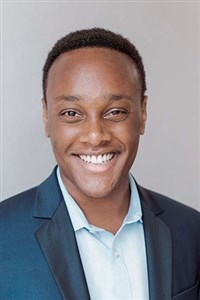
Raphaël Feuillâtre / Eduardo Eguëz

Raphaël Feuillâtre / Eduardo Eguëz
To bookDescription
The guitars lead the way<div> Raphaël Feuillâtre, guitar</div><div> Eduardo Eguëz, vihuela, lute & guitar</div><div><br></div><div> <strong>On the agenda:</strong></div><div> Milan, Ortiz, Sanz, Albéniz, Tarrega, Piazzolla...</div><div> Pavanas, Jácaras, Canarios, Fandango, Folias, Tarantelas, Milongas and Tangos...</div><div><br></div><div> The guitar has traversed the centuries, constantly reinventing itself. By turns intimate and contemplative, then virtuosic and festive, it transcends the boundaries between aristocratic salons and popular circles. Historically, it extends the tradition of older instruments like the vihuela, which originated in the 16th century in the Iberian Peninsula. A close relative of the lute, which triumphed throughout the rest of Europe, the vihuela inspired a refined repertoire in composers such as Alonso Mudarra and Luis de Milán. When the Baroque guitar gradually gained prominence at the end of the century, it opened itself to popular practices. The work of Gaspar Sanz offers a broad panorama of the styles of the period and reveals a profound cultural fusion, nourished in particular by influences from the New World (as also evidenced by the Codex Saldivar, a manuscript discovered in Mexico). However, it was in the 19th and 20th centuries that the guitar reached one of its most accomplished expressions, particularly in Spain where Albéniz, Falla, Rodrigo, and Granados gave it a voice that was both nostalgic and radiant. Two virtuosos and poets of the plucked strings come together here to celebrate the star instrument of the Iberian world.</div>