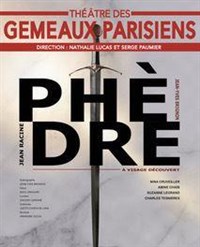
Phaedrus

Phaedrus
To bookDescription
This mise en abyme allows us to give Phaedra a modern perspective<div> Phaedra, Theseus' wife, believes him to be dead. Relieved by this news, she confesses to Hippolytus, her stepson, the guilty passion she feels for him. This confession soon places Phaedra in an untenable situation: not only does Hippolytus reject her, but Theseus, who had simply vanished, soon returns.</div><div><br></div><div> Phaedra is then pressured into lying by her confidante Oenone. She accuses Hippolytus of having tried to rape her. Theseus curses his son and calls down Neptune's wrath upon him, but soon news of Oenone's suicide sows doubt in his mind.</div><div><br></div><div> However, it is too late. Theseus learns of Hippolytus' death, killed by a sea monster, while Phaedra, who has poisoned herself, reveals the truth about this tragedy to him before dying, confessing her guilt.</div><div><br></div><div> Performed by people of today for people of today. We choose to work on all the different feelings that passion</div><div> Love provokes. Impossible love, fate, pain, jealousy, and shame permeate the title character. Thus, Phaedra is fragile because she is a victim of divine will and therefore always sincere in the face of events.</div><div><br></div><div> Performed by only four actors, the play brings the characters' sadness and terror vividly to the audience's experience. By embodying their roles before the public, the actors readily inspire the catharsis intended by the author. It is up to us to feel, or not, the disgust, sadness, or terror. It is up to us to be swept away by this incestuous passion that will propel all the characters toward a tragic end.</div><div><br></div><div> The quest for or flight from love, instinct or guilt</div>